
Slab Pier Installation for Apopka Homes Explained
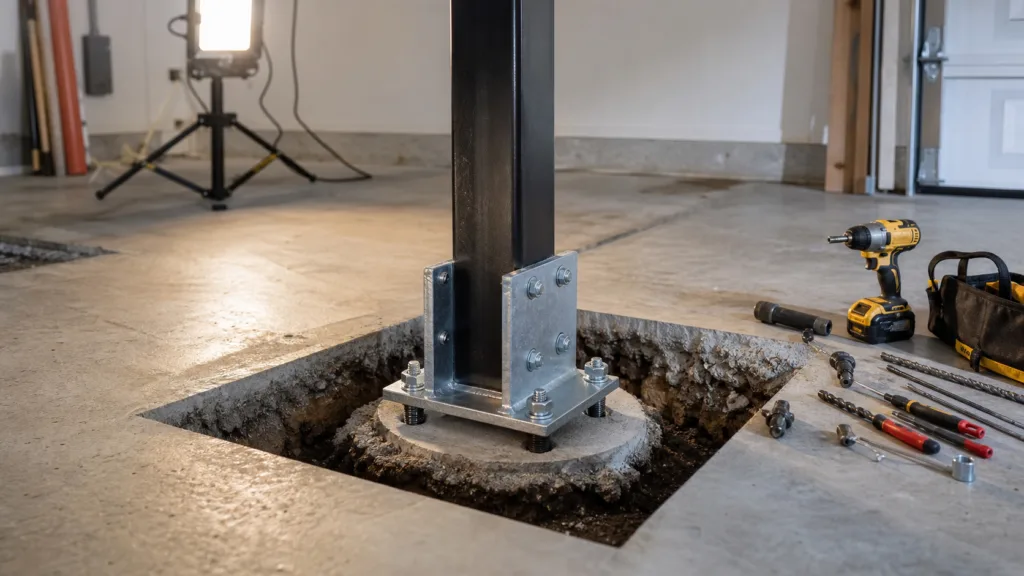
Slab piers are designed to support settling concrete slabs by transferring load through unstable near-surface material to stronger support.
What Apopka Owners Should Know About Injection Piers
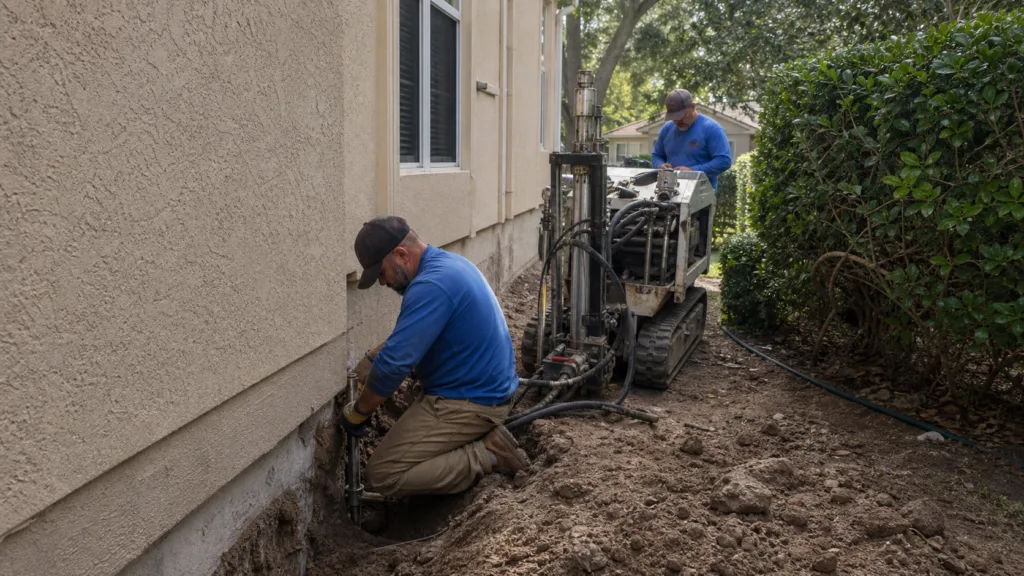
Injection pier systems are one of several site-specific support methods; suitability depends on the structure, soil profile, access, and observed movement.
When Steel Push Piers May Be Considered in Apopka
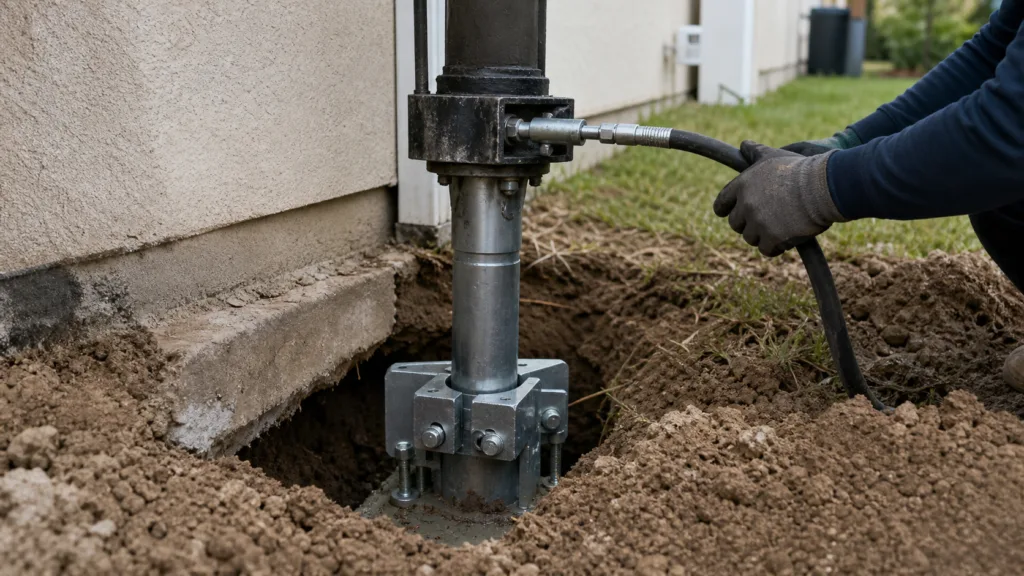
Steel push piers are an underpinning option that uses the structure as reaction while sections are advanced to competent bearing.
How Helical Piers Work for Apopka Structures
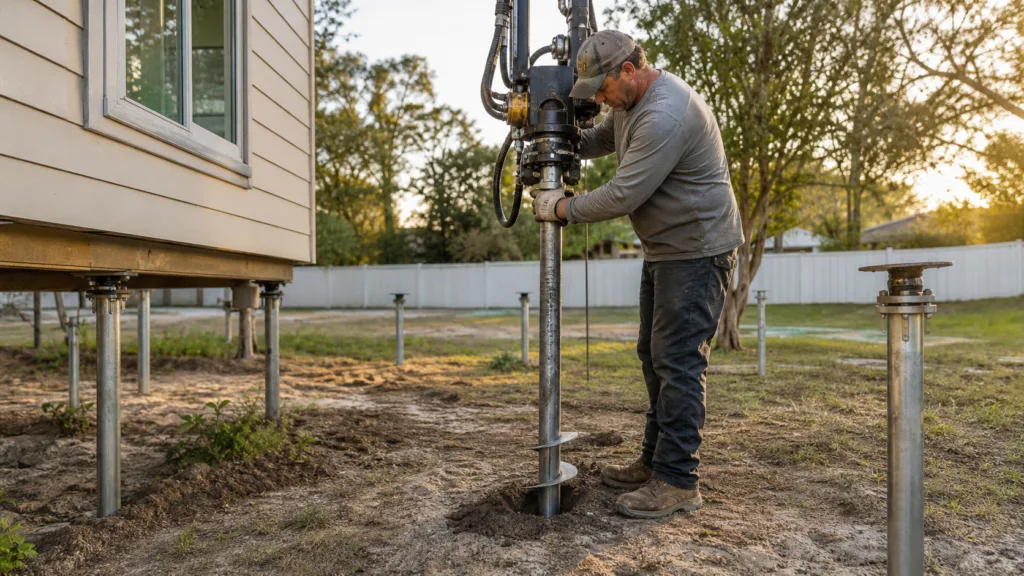
Helical piers are screw-like steel elements advanced into soil while installation torque is monitored to support a designed load.
Why Voids Form Under Concrete in Apopka and How They Are Filled
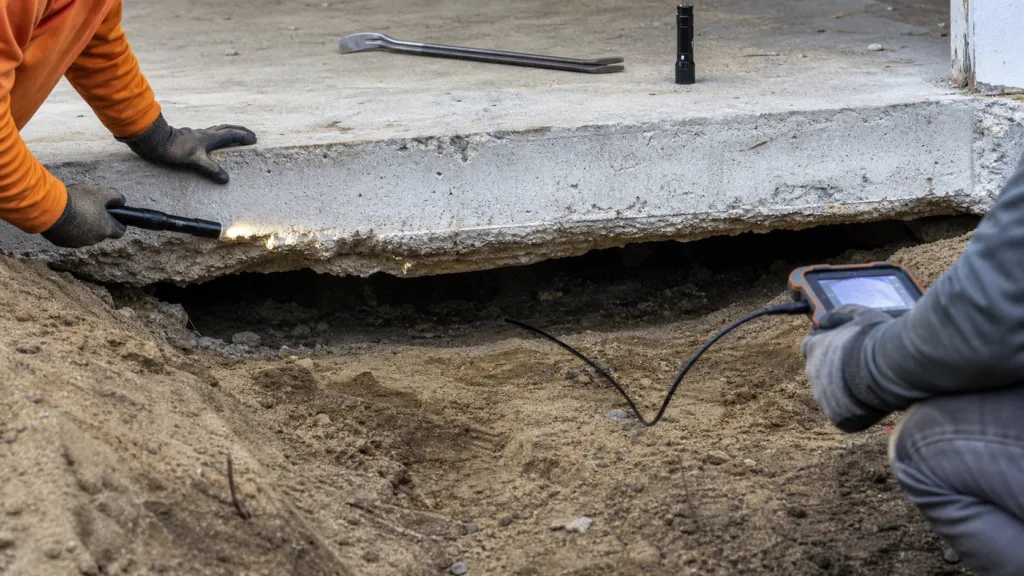
Voids can develop from erosion, poorly compacted fill, leaking water, or soil loss; filling the space is useful only after the cause and load conditions are understood.
Foundation Pier Types Used in Apopka: A Practical Comparison
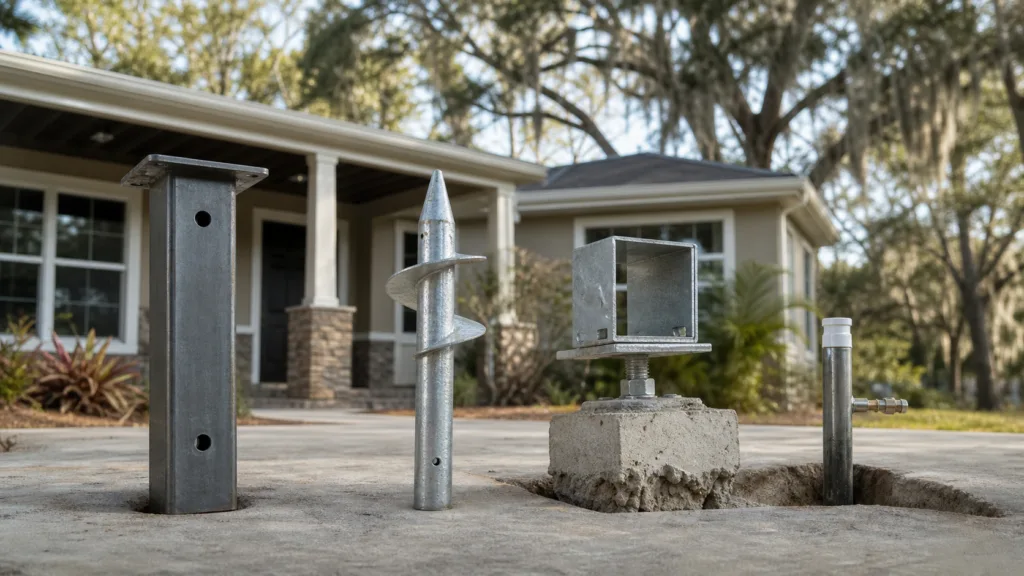
Steel push, helical, slab, injection, and pre-construction piers differ in how they are installed and where they transfer structural loads.
How Compaction Grouting Supports Unstable Soil in Apopka
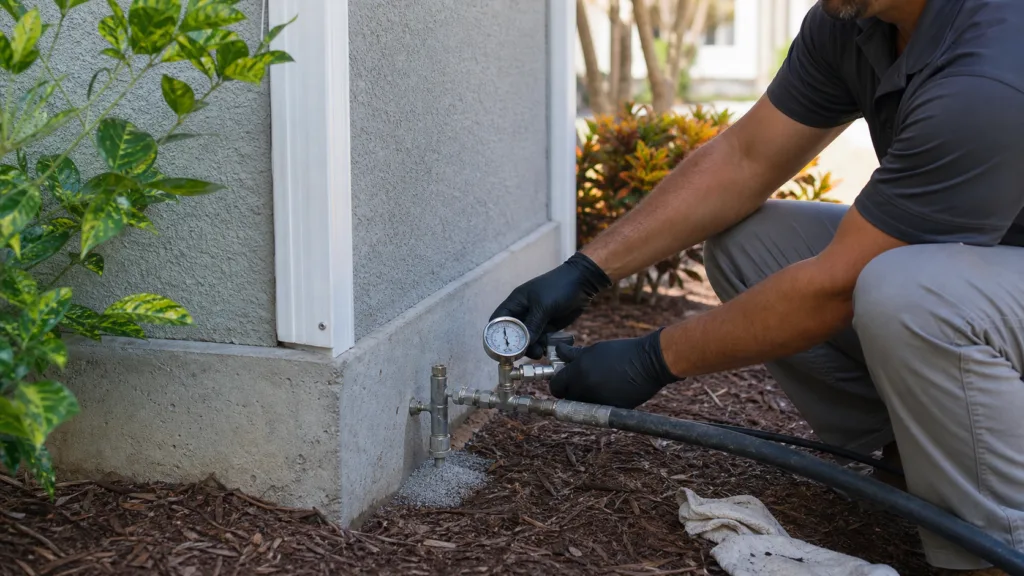
Compaction grouting places a low-mobility grout mass below ground to densify adjacent loose soil and improve support conditions.
Sinkhole Warning Signs Around an Apopka Property
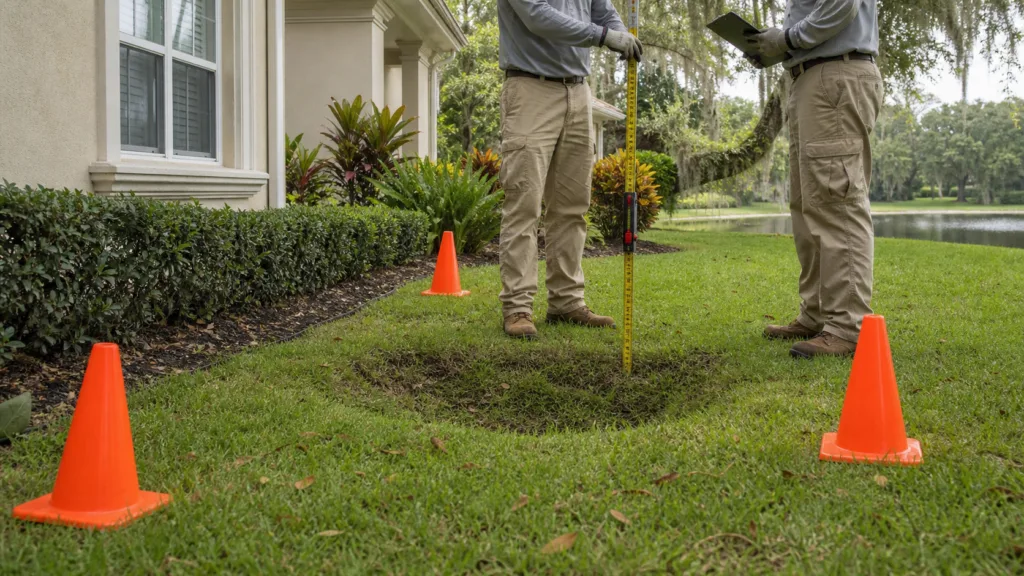
Possible warning signs include new depressions, cracking, soft ground, and drainage changes, but only a qualified evaluation can identify the cause.
Polyurethane Foam Injection vs. Grouting in Apopka
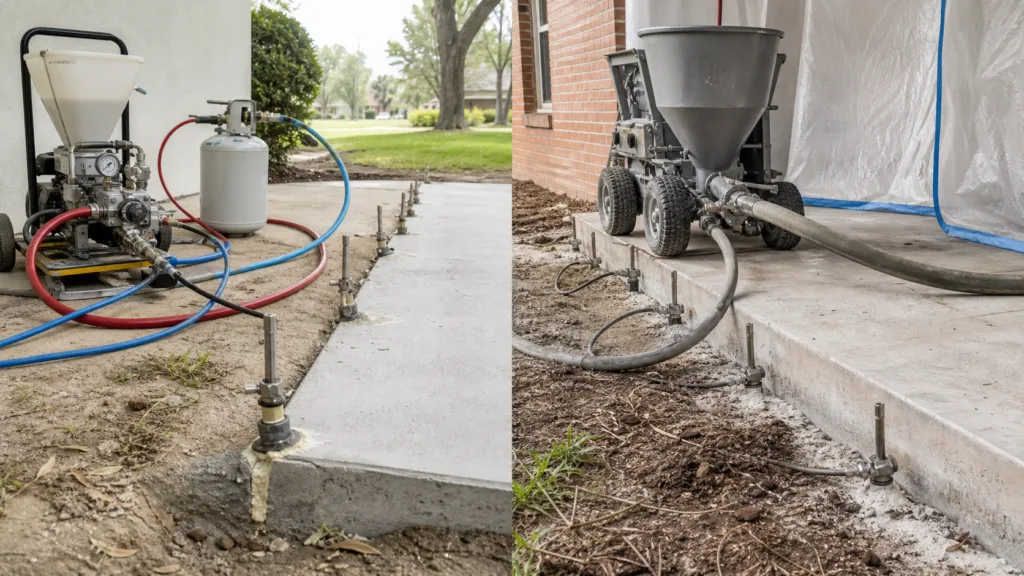
Foam injection and cementitious grouting solve different support and void problems; material choice depends on access, soil, load, void size, and repair goals.
How Yard Drainage Helps Protect Foundations in Apopka
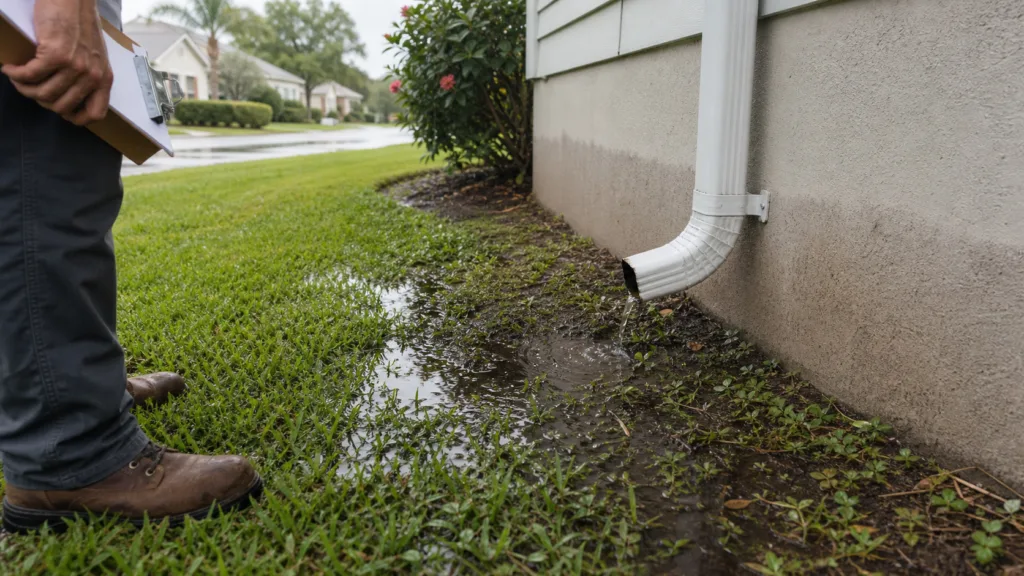
Roof runoff, grading, and persistent ponding can change moisture conditions near a foundation; managing water is an important part of reducing avoidable soil stress.