Tree Roots, Drainage, and Foundation Movement in Apopka
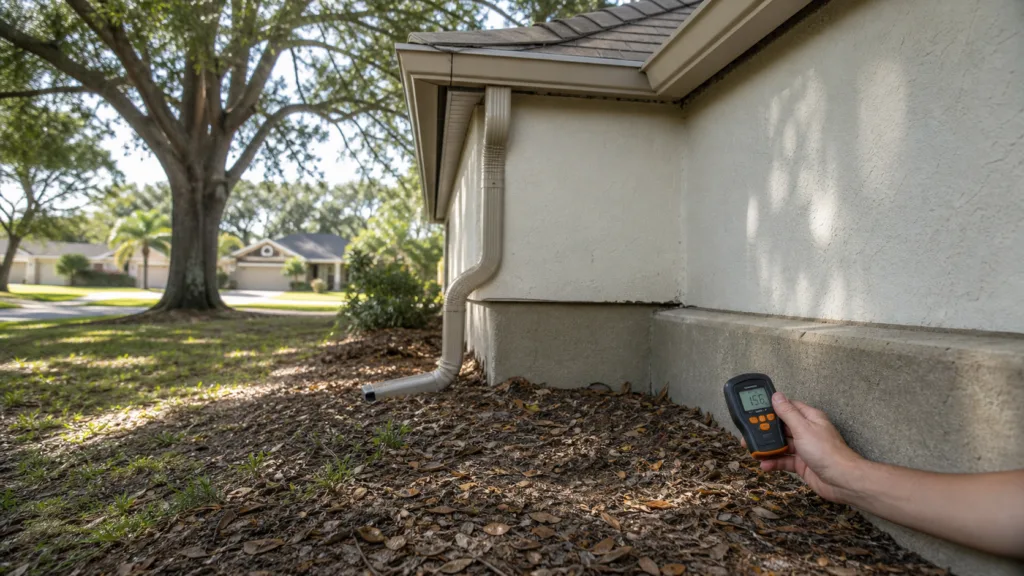
Trees can influence nearby soil moisture and drainage, but roots are not automatically the cause of a foundation crack; distance, species, soil, and utilities matter.
How Florida Wet-Dry Cycles Affect Apopka Foundations
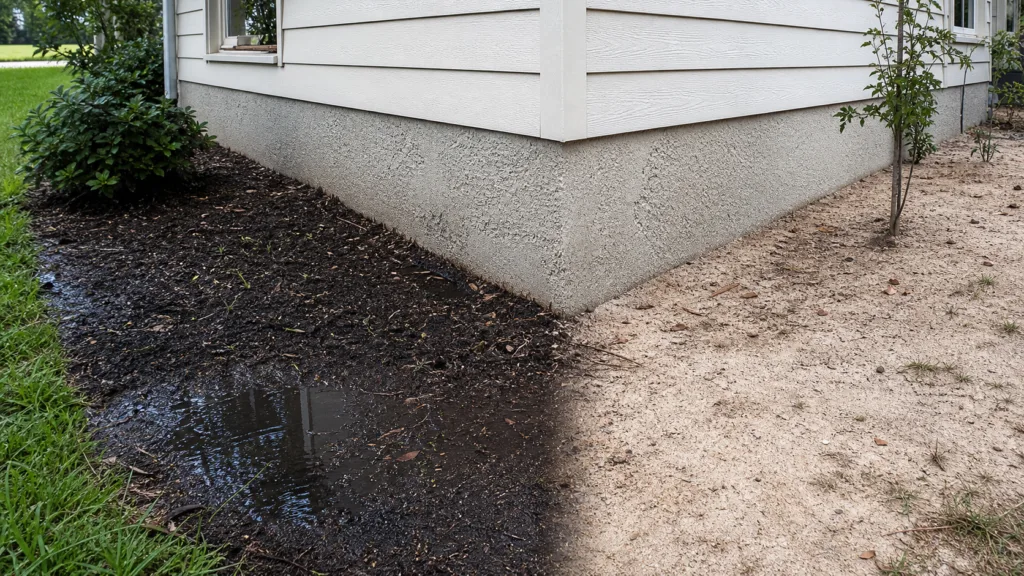
Alternating wet and dry periods can change soil volume and support, making consistent drainage and early symptom tracking valuable.
Foundation Checks After Heavy Rain in Apopka
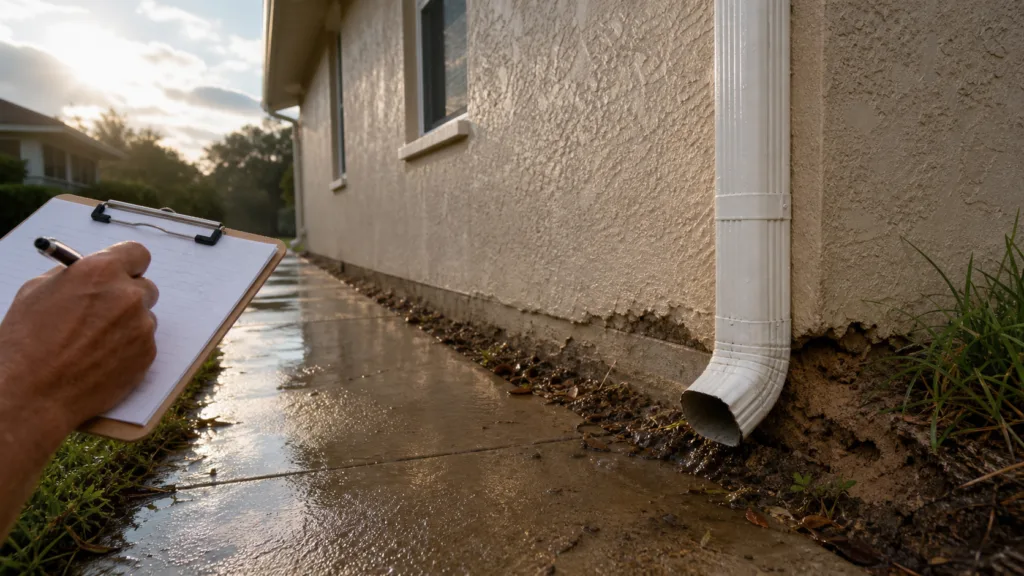
After intense rain, look for ponding, new erosion, interior moisture, fresh cracks, soft soil, and changes around slabs or retaining walls.
Commercial Foundation Warning Signs in Apopka Buildings
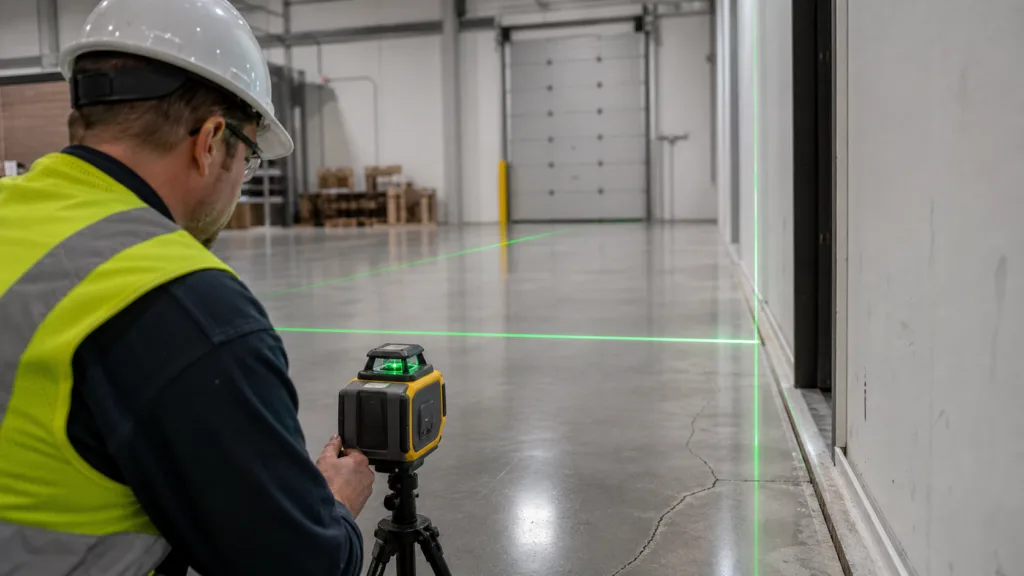
Commercial warning signs include recurring slab cracks, misaligned doors, joint separation, floor elevation changes, and utility problems across the building.
How Seawall Erosion Can Affect Apopka Waterfront Properties
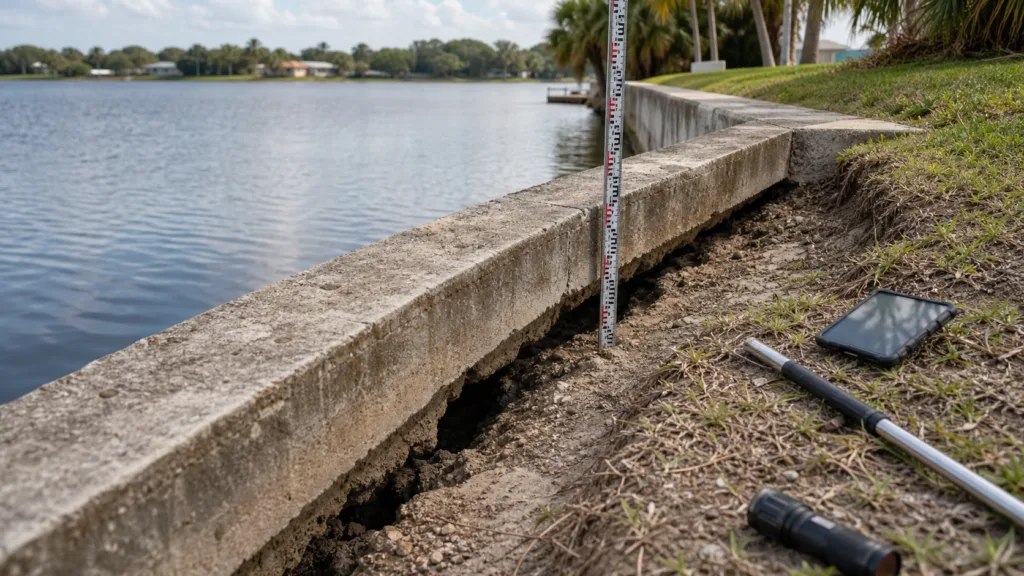
Loss of soil behind a seawall can create settlement, voids, drainage changes, and risks to nearby improvements even before the wall visibly fails.
Retaining Wall Failure Signs for Apopka Property Owners
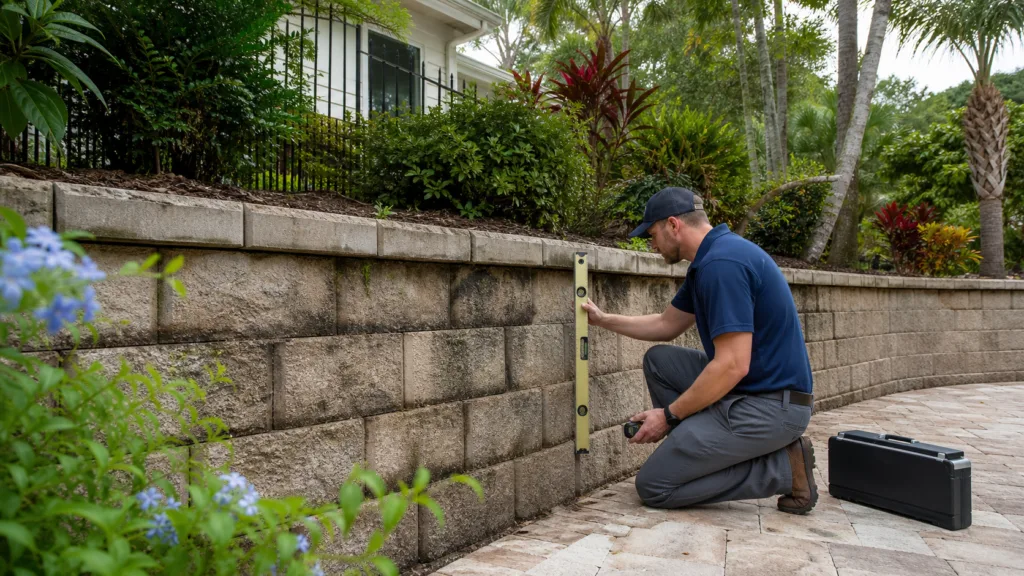
Leaning, bulging, cracking, displaced blocks, and persistent drainage at a retaining wall can signal pressure or support problems that merit evaluation.
How to Prepare for a House Leveling Evaluation in Apopka
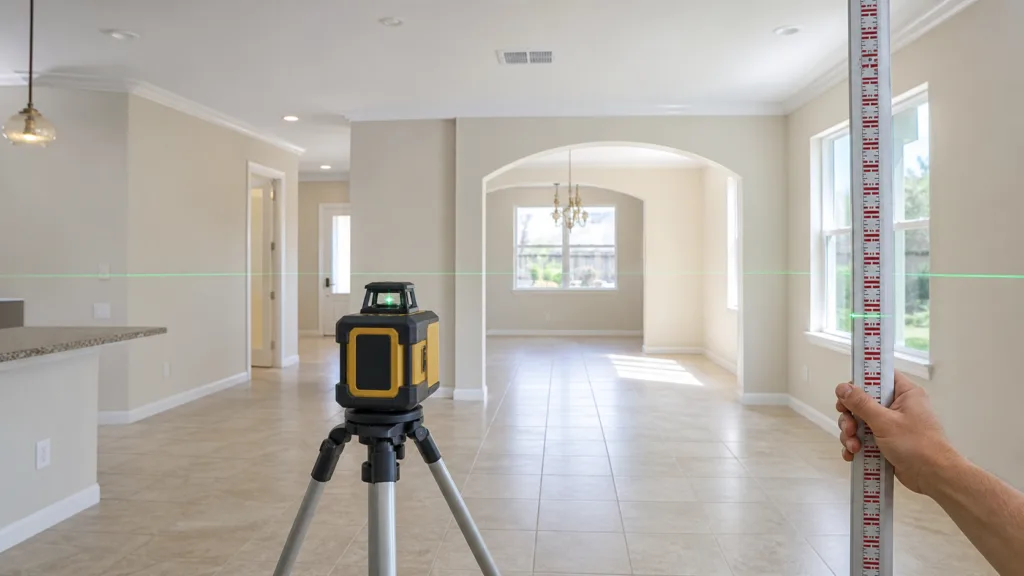
A useful leveling evaluation starts with access, a symptom timeline, floor measurements, and an understanding of drainage or plumbing events.
Block and Base Foundation Repair Considerations in Apopka
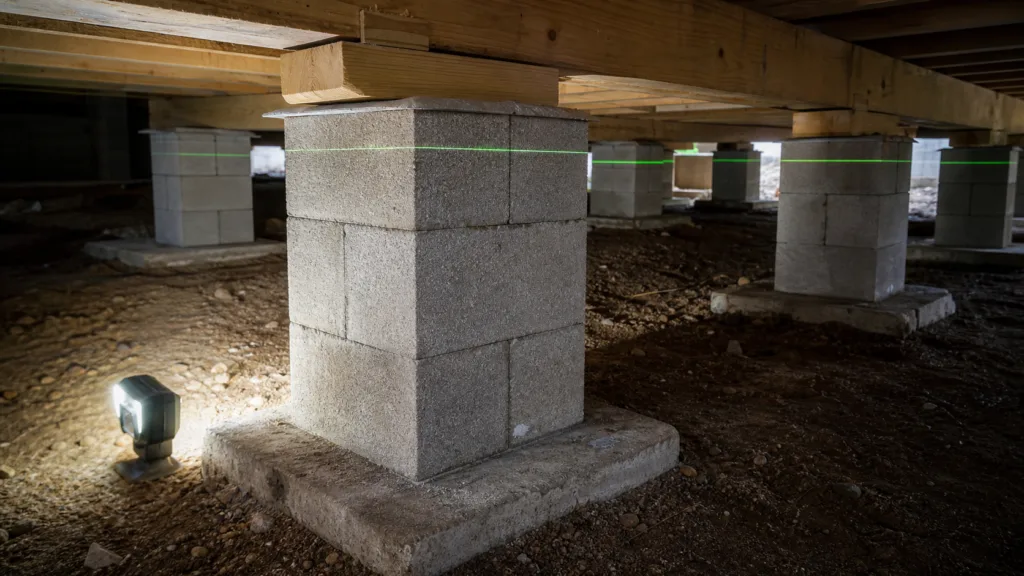
Block and base systems require attention to individual supports, beams, soil bearing, moisture, and the way loads are distributed across the floor system.
Pier and Beam Foundations: Moisture and Movement in Apopka
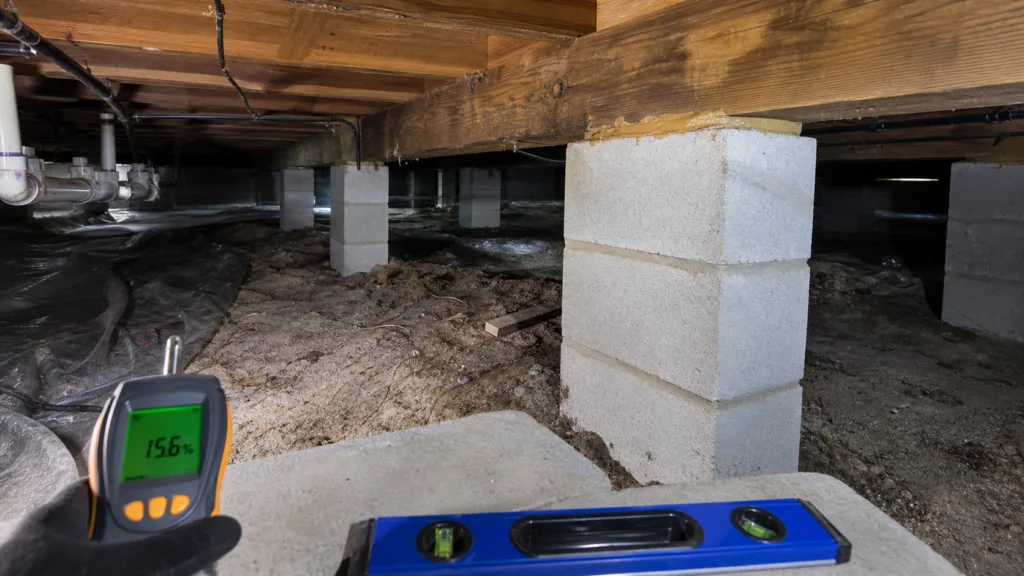
Pier and beam systems can show movement through floor slope, bouncing, damaged supports, or moisture-related deterioration in the accessible underfloor space.
Planning Pre-Construction Piers for an Apopka Project
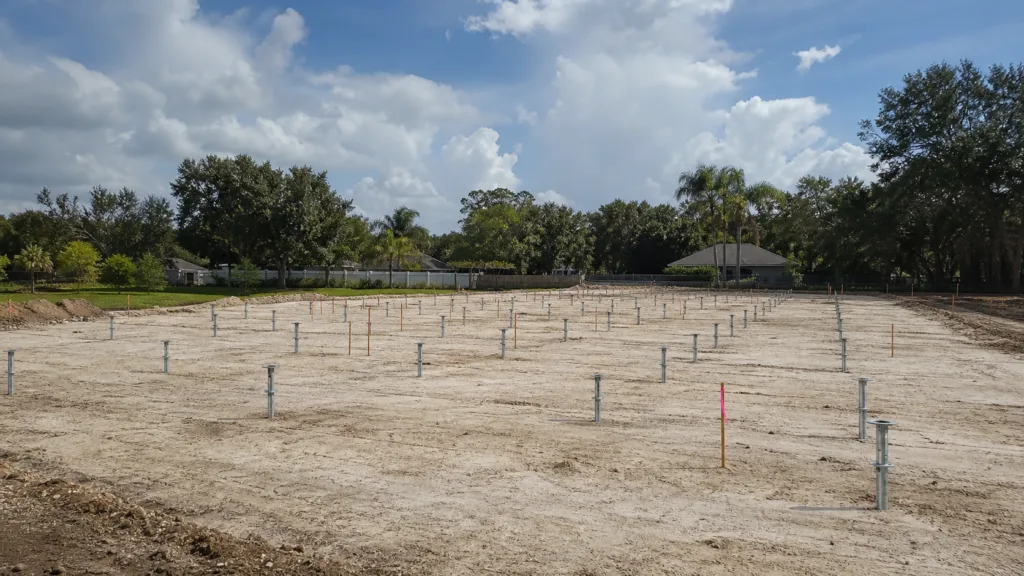
Pre-construction piers can transfer planned building loads before settlement becomes a repair problem, but they must fit the project design and subsurface conditions.